

Can you really beat the odds at a casino?
The Nature of Odds in Casino Games
Understanding the odds in casino games is essential for anyone considering their chances of winning. Each game has its own mathematical probability that dictates the likelihood of winning based on the rules and structure of that game. For instance, card games like blackjack invite players to utilize strategies to decrease the house edge, while instant withdrawal casino slot machines operate purely on chance, making it necessary to grasp the inherent nature of randomness. This fundamental aspect of casino games sets the stage for the larger question: can players truly beat the odds?
The concept of the house edge is pivotal in determining the likelihood of winning. The house edge represents the mathematical advantage that the casino holds in various games. Generally, this edge ensures that over time, the casino will profit from the games they offer. Understanding how this percentage affects different games can help players make informed decisions about where to place their bets. Even in games deemed skill-based, such as poker, the house typically retains a slight advantage through the rake, ensuring they come out ahead in the long run.
While it’s clear that certain strategies can reduce the house edge, they do not guarantee a win. Players may leave a game with a significant victory once in a while, but consistently winning is a different challenge altogether. The pursuit of beating the odds often leads players to explore various strategies, gambling systems, and even game modifications. However, no player can control the inherent randomness of the games, making it crucial for individuals to manage their expectations and recognize the entertainment aspect of their gambling experience.
Strategies to Improve Your Chances
Some players believe that employing specific strategies can tilt the odds in their favor. For example, card counting in blackjack is a well-known technique that allows players to keep track of the cards dealt and adjust their bets accordingly. While this method is not foolproof and can lead to being banned from casinos, it does illustrate how understanding the game’s mechanics can lead to improved odds. Similarly, mastering poker strategies gives players a better shot at securing wins, as this game combines skill and psychological insight, allowing experienced players to read their opponents and make calculated decisions.
Another strategy involves bankroll management, which is crucial for any player looking to stay in the game longer. By setting limits on how much money to spend and when to walk away, players can minimize losses and enjoy more extended gameplay. Emotion often clouds judgment during gambling, leading individuals to chase losses or make impulsive decisions. A solid financial plan can help mitigate these risks, allowing players to enjoy their experience without excessive financial strain. Setting short-term and long-term goals can also help players maintain a clear vision of their gambling activities.
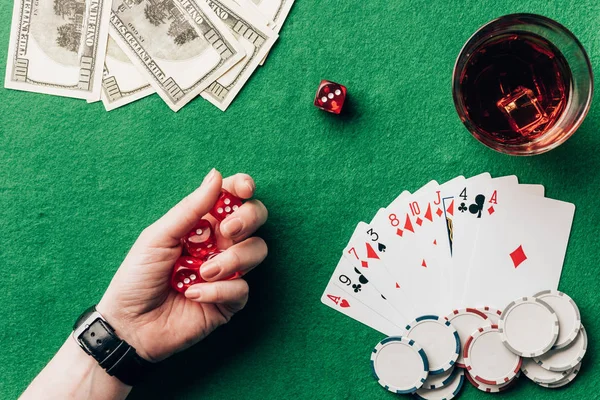
However, while strategies can improve one’s chances, it’s important to remember that no method is foolproof. Even the best poker players experience losses, and the randomness of games like roulette makes it impossible to predict outcomes reliably. Instead, the focus should be on making informed choices that enhance the gaming experience, rather than solely concentrating on winning. Those who appreciate the challenge and excitement of the games and approach them with a balanced mindset are more likely to enjoy their time at the casino without falling into the trap of unrealistic expectations.
The Role of Luck in Casino Games
Luck plays a monumental role in casino games, serving as an unpredictable force that can significantly impact outcomes. In games of chance, such as slots and roulette, luck is the sole determinant of a player’s success. The unpredictability of these games means that, no matter how much one prepares or strategizes, fortune ultimately dictates the results. This randomness can lead to both thrilling victories and frustrating losses, making luck an integral part of the casino experience that players must come to terms with.
Interestingly, many players often attribute their successes to skill when, in fact, luck is the primary factor. This can lead to a false sense of confidence, encouraging players to continue taking risks they might otherwise avoid if they recognized the role luck plays in their wins. For example, a player winning big on a slot machine may believe they’ve developed a “system” when the reality is that their win was purely coincidental. Understanding this component of luck can help players keep their expectations grounded and approach their gambling activities with a more realistic mindset.
Moreover, casinos use luck as a marketing tool, highlighting jackpot wins and big payouts to attract more players. This focus on luck can enhance the excitement and thrill of gambling, as players are drawn by the prospect of hitting it big. However, it is also essential for players to maintain perspective. Acknowledging the randomness of these games can help foster a more realistic approach to gambling, allowing individuals to enjoy the process rather than overly fixate on winning outcomes. This awareness can lead to a healthier relationship with gambling, where enjoyment takes precedence over financial success.
The Psychological Aspect of Gambling
The psychological facets of gambling are as critical as the mechanics of the games themselves. Many individuals are drawn to the thrill of potential wins, which can create an adrenaline rush that is hard to resist. This excitement can lead to both positive and negative behaviors, with some players developing a strong attachment to the experience. Understanding the psychological impacts of gambling can help players recognize when their enjoyment turns into obsession, potentially leading to harmful gambling habits. This self-awareness is key to enjoying gambling responsibly.

Additionally, the environment of a casino is designed to enhance emotional engagement. Bright lights, enticing sounds, and the presence of other players can create an electrifying atmosphere that amplifies the excitement. However, this immersive environment can also cloud judgment, causing players to make impulsive decisions or lose track of time and money spent. Recognizing these psychological triggers is essential for maintaining control over one’s gambling activities and ensuring that the experience remains enjoyable rather than detrimental.
Ultimately, being aware of the psychological aspects of gambling can aid players in developing healthier habits and keeping their gambling experiences enjoyable. By maintaining an understanding of one’s emotions, boundaries, and the purpose of gambling as entertainment, individuals can engage in casino activities without falling prey to the darker aspects of addiction and loss. An informed perspective on gambling can lead to a balanced approach, allowing individuals to appreciate the fun while being mindful of their limits and the potential consequences of excessive gambling.
Exploring Resources for Responsible Gaming
Responsible gaming is a key element of a fulfilling casino experience. Numerous resources are available for players who wish to engage with gambling in a controlled and safe manner. Many casinos offer programs designed to promote safe gambling practices, providing players with tools to track their spending and time at the tables. Additionally, setting personal limits on losses and wins can encourage responsible behavior and create a more positive gambling experience, fostering a culture of moderation among players.
Educational resources play a crucial role in fostering awareness and understanding of gambling risks. Online platforms, community centers, and support groups offer information on responsible gambling practices and the potential consequences of addiction. By familiarizing themselves with these resources, players can take proactive measures to ensure their gambling remains enjoyable rather than detrimental. It is essential for individuals to view gambling as a leisure activity rather than a means to an end, reducing the risk of developing unhealthy habits and promoting a healthier gaming environment.
Moreover, seeking help when gambling becomes overwhelming is critical. Many organizations specialize in supporting individuals facing gambling-related challenges, offering counseling and rehabilitation programs. Recognizing when to seek assistance is a vital step toward regaining control and fostering healthier relationships with gambling. By utilizing available resources and seeking help when needed, players can enjoy the thrill of casinos without compromising their well-being. This commitment to responsible gaming not only enhances the individual experience but also contributes to a more positive community atmosphere where players can thrive.