

Can you really beat the house at a casino?
Understanding the House Edge
To grasp whether you can truly beat the house at a casino, it’s vital to understand the concept of the house edge. This term refers to the mathematical advantage that the casino holds over players in any game. For instance, in games like roulette or slot machines, the house edge may range from 2% to more than 10%. This means that, over time, the casino is statistically likely to win a percentage of every bet placed, making it challenging for players to walk away with a profit consistently. Many players seek out platforms offering enticing promotions, such as a fast withdrawal casino , which can enhance their overall gaming experience. The house edge is a built-in advantage that ensures the casino remains profitable while players face long-term losses.
Interestingly, the house edge varies significantly between different games. Table games such as blackjack and baccarat can offer a lower house edge compared to slot machines, where the odds are heavily skewed in favor of the house. Understanding these differences can empower players to choose games where their chances of winning might be slightly better. For example, blackjack can have a house edge as low as 1% with optimal play, while some slot machines may exceed a 10% house edge. This knowledge is essential for making informed decisions about where to place bets.
This inherent advantage does not mean that players cannot win; it simply means that the longer you play, the more likely the house edge will manifest. Many gamblers play for enjoyment and the thrill, without expecting to outsmart the casino consistently. By approaching games with a clear understanding of the house edge, players can manage their expectations and enjoy their experience more holistically. Ultimately, recognizing the house edge is crucial for anyone looking to play strategically and have a more enjoyable gaming experience.
Strategies to Increase Your Odds
While the house edge is a daunting aspect of casino gaming, players can employ several strategies to improve their odds of winning. For example, learning basic blackjack strategy can significantly reduce the house edge in that particular game. By understanding when to hit, stand, double down, or split, players can make informed decisions that enhance their chances of winning. Such knowledge transforms a game of chance into one of skill, allowing players to level the playing field and potentially see better returns on their bets.
Moreover, employing bankroll management techniques is crucial. Setting limits on how much money to wager or how long to play can help manage losses and extend playtime. For instance, if a player decides to only gamble with a fixed amount, they can control their spending and potentially enjoy more games without the risk of devastating losses. This kind of discipline can lead to a more enjoyable experience, as players are less likely to chase losses and more likely to appreciate the entertainment value of gaming. Budgeting effectively means that gambling remains a source of fun rather than stress.
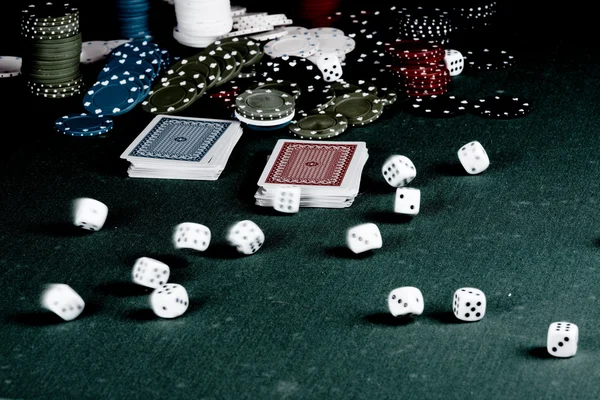
Another strategy involves choosing games with better odds. Players should familiarize themselves with the rules and odds of various games, as some offer better payout potential than others. For instance, games like baccarat and certain variations of poker have lower house edges compared to many other games. By strategically selecting the right games and applying effective strategies, players can enhance their chances of beating the house, even if winning isn’t guaranteed every time. Ultimately, informed choices and strategic play can create a more favorable gaming experience.
The Role of Luck in Gambling
In the world of gambling, luck plays an undeniable role. Unlike games that require skill and strategy, such as poker or blackjack, slot machines and roulette rely heavily on chance. This randomness means that outcomes are unpredictable; while players can implement strategies, in the end, luck often dictates the results. Many gamblers indulge in games of chance for the excitement and possibility of striking it rich, even if the odds are not in their favor, adding an element of thrill to the experience. The anticipation of a big win keeps players coming back for more.
Stories of players hitting the jackpot or winning big at the tables are often spread in casino lore, reinforcing the belief that luck can occasionally tip in one’s favor. These anecdotes can inspire hope among seasoned players and newcomers alike. However, it’s essential to maintain a realistic perspective on luck; relying solely on it can lead to disappointment and significant financial losses. Approaching gambling with a balance of strategy and an understanding of the role of luck can enhance the overall experience, allowing players to enjoy the highs without being crushed by the lows. The key is to enjoy the journey, regardless of the outcome.
Ultimately, while there are strategies that can be employed to maximize chances, the unpredictable nature of gambling ensures that luck will always be a vital factor. Recognizing this balance can lead to better decisions while gambling, allowing players to revel in the thrill without losing sight of the inherent risks involved in casino games. This acceptance of uncertainty can also foster a healthier attitude towards winning and losing, enabling players to enjoy their time at the casino without undue stress about their fortunes.
Psychological Factors in Gambling
The psychological aspect of gambling cannot be overlooked when discussing whether players can beat the house. Many individuals experience emotional highs and lows during their gambling journeys, impacting their decision-making processes. For instance, the excitement of winning can lead to overconfidence, causing players to make impulsive bets that may not be in their best interest. Conversely, losing streaks can lead to frustration and desperate attempts to recover losses, often resulting in poor choices that further exacerbate the situation. Understanding these psychological triggers is key to maintaining control.
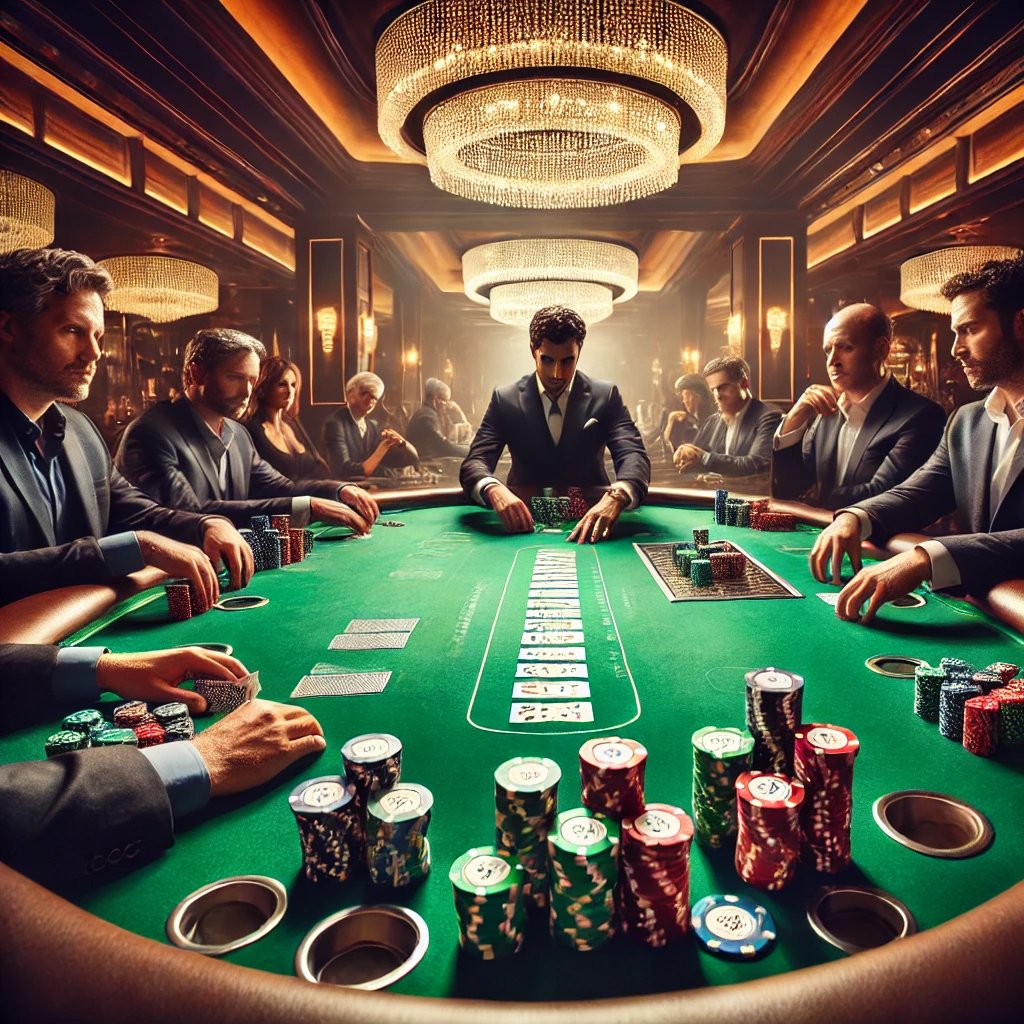
Additionally, casinos are designed to encourage prolonged play through various psychological tactics. Elements such as lighting, sounds, and even the layout can create an atmosphere that heightens excitement, leading players to lose track of time and money. Understanding these psychological triggers can empower players to maintain control over their gaming experiences and recognize when to take a step back. Self-awareness about one’s emotional state is essential for making rational decisions while gambling. Being conscious of how emotions influence betting behavior can help mitigate reckless decisions.
Moreover, setting personal limits and recognizing emotional responses can be beneficial strategies. When players approach gambling with self-awareness, they can combat negative emotions effectively, leading to thoughtful decision-making rather than reactions driven by fear or exhilaration. Mindfulness in gambling is critical for anyone hoping to navigate the casino landscape successfully. This awareness can also help players enjoy the experience for its entertainment value rather than fixating solely on the outcome, creating a more fulfilling gambling experience overall.
Conclusion: Embracing a Responsible Gaming Mindset
Ultimately, the question of whether you can beat the house at a casino is complex and multifaceted. While strategies exist to improve your odds, and luck can occasionally favor players, the house edge remains a significant factor in the long-term dynamics of gambling. The key takeaway is to engage with casinos responsibly and with realistic expectations. Enjoying the thrill of gambling while recognizing its inherent risks can create a more satisfying experience, allowing players to have fun without the stress of trying to beat the system. A responsible mindset is crucial for a positive experience.
Players should prioritize responsible gaming practices, such as setting budgets and understanding when to walk away. By combining knowledge of game strategies with a mindful approach to gambling psychology, individuals can navigate casinos with greater awareness. The focus should be on enjoyment rather than solely on winning, allowing for a more fulfilling experience that enriches the entertainment value of the games. Engaging with the gaming environment responsibly can lead to a healthier relationship with gambling.
As we navigate the exciting yet unpredictable landscape of gambling, we recognize that the odds may not always be in our favor. However, with the right mindset and strategies, players can engage in the casino experience in a way that is both entertaining and responsible. Embracing a balanced approach to gaming can help ensure that the thrill of the game is matched by a healthy understanding of its challenges and rewards. This perspective allows players to enjoy their time while minimizing the potential downsides of gambling, ultimately enhancing the overall experience.